Carpet Cleaning
 Upholstery Cleaning
 End Of Tenancy Cleaning
 Domestic Cleaning
 House Cleaning
 Office Cleaning


Eccleston Square apartments: stain removal specialists Pimlico
Posted on 28/04/2026
Stains in an Eccleston Square apartment can be surprisingly stressful. A spill on a pale carpet, a mark on an upholstered chair, or a wine splash near the dining area can change the feel of a room fast. In a sought-after Pimlico address, that matters even more: finishes are often elegant, rooms are used carefully, and people want results that protect both appearance and materials.
This guide explains how Eccleston Square apartments: stain removal specialists Pimlico approach tricky marks, what works on different surfaces, and when it is wiser to stop experimenting and bring in a professional. You will also find practical steps, common mistakes, and a simple checklist so you can make a calmer, better decision.
If you are looking beyond stain treatment and want a fuller refresh, it can also help to explore the full range of cleaning services in Pimlico, or book a visit through the cleaner booking page when you are ready to move quickly.
Why Eccleston Square apartments: stain removal specialists Pimlico Matters
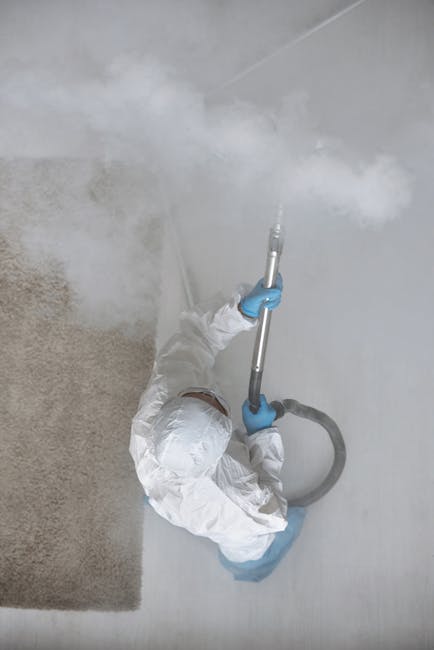
Eccleston Square apartments tend to attract residents who care about presentation, comfort, and longevity. That is exactly why stain removal deserves proper attention. A stain is not just a cosmetic issue. Left alone, it can set deeper into fibres, spread into padding, discolour finishes, or create odours that are far harder to manage later.
In apartment living, the stakes are higher than in many houses. You are often dealing with fitted carpets, shared hallways, compact layouts, decorative fabrics, and premium finishes that do not tolerate guesswork. A rushed DIY treatment can turn a small mark into a bigger repair. Truth be told, that is how many "quick fixes" become expensive stories.
There is also the practical side. If you are preparing for a tenancy handover, planning a sale, or simply keeping a high-value flat in good condition, targeted stain removal helps protect the property's overall standard. It pairs naturally with broader upkeep such as carpet cleaning in Pimlico or upholstery cleaning in Pimlico when marks are not isolated to a single spot.
Expert summary: The sooner a stain is assessed, the better the outcome usually is. Fast, material-aware action is more effective than aggressive scrubbing.
How Eccleston Square apartments: stain removal specialists Pimlico Works
Professional stain removal is less about brute force and more about diagnosis. Different stains behave differently. Tea, coffee, red wine, makeup, grease, ink, mud, and food spills each require a distinct approach. The first task is always to identify the likely stain type, the surface involved, and how long the mark has been there.
A specialist typically works through a careful sequence:
- Inspection: The affected area is examined under normal light and, where needed, closer inspection to understand the stain, fabric, and surrounding risk.
- Testing: A small, hidden area may be checked to see how the material reacts to the chosen product or method.
- Targeted treatment: The stain is treated with the least aggressive effective method first, rather than jumping straight to heavy chemicals.
- Controlled extraction or wiping: Depending on the surface, the technician lifts residues without soaking the area or spreading the mark.
- Drying and review: The finish is checked once dry because some stains look improved while damp but reappear later.
This is especially important on wool carpets, delicate upholstery, and older apartment interiors where fibres can react differently from one room to the next. In more complex cases, a stain may have also affected the pile, underlay, or a cushion insert, which is why professional stain removal often overlaps with deep cleaning in Pimlico or a more focused one-off clean.
A good specialist will also be honest if a mark cannot be fully reversed. That honesty matters. A cautious, informed approach is worth far more than promises that sound too neat.
Key Benefits and Practical Advantages
Professional stain removal brings practical advantages that go beyond making a room look nicer. It helps preserve the condition of the flat, supports hygiene, and reduces the chance of a stain becoming a permanent fixture in your daily view.
- Better finish: The stain is treated with products and techniques matched to the surface, which improves the chance of a clean result.
- Lower risk of damage: Specialist treatment reduces the likelihood of colour loss, fibre distortion, or water rings.
- Longer material life: Carpets and upholstery last longer when marks are dealt with properly rather than scrubbed repeatedly.
- Improved presentation: This is especially useful if you are hosting, moving out, or showing the apartment to guests or prospective buyers.
- Time saved: You avoid trial-and-error cleaning, which often takes longer than expected and rarely feels satisfying.
- Better odour control: Some stains have lingering smells, particularly food, drink, pet-related marks, or damp spots.
For residents who manage busy homes, the benefit is not just the visible result. It is the peace of mind that comes with knowing the surface has been treated properly. If the issue is part of a broader reset, a spring clean in Pimlico can be a sensible companion service.
Who This Is For and When It Makes Sense
This service is relevant to several types of residents and property users in Eccleston Square and the surrounding Pimlico area:
- Tenants: If you are worried about a stain before an inventory check or end-of-tenancy inspection, early action can make a meaningful difference.
- Homeowners: Those looking after a long-term residence often want careful restoration rather than a quick cosmetic cover-up.
- Landlords and managing agents: Rapid stain treatment can reduce void delays and help maintain presentation between occupants.
- Busy professionals: If your week is packed, specialist help is often more efficient than trying to master stain treatment yourself on a Sunday evening.
- People preparing for events: A smart apartment deserves smart timing, especially before guests, dinners, or viewings.
It also makes sense when the stain is on a delicate or high-risk material. Silk-like fabrics, wool blends, vintage upholstery, and pale carpets need a measured touch. If the mark is on a sofa or armchair rather than flooring, house cleaning support in Pimlico can sometimes be combined with upholstery work for a more complete result.
Need a simple rule? If you are uncertain what the stain is, uncertain what the fabric is, or uncertain whether the stain has already set, that is usually the point where specialist help starts to make sense.
Step-by-Step Guidance
If you are dealing with a stain in an Eccleston Square apartment, the safest results usually come from a calm sequence rather than a rushed reaction. Here is a practical framework.
- Stop the stain from spreading. Blot gently with a clean, white cloth. Do not rub. Rubbing pushes the stain deeper and can distort fibres.
- Identify the surface. Carpet, upholstery, curtain fabric, hardwood, laminate, marble, and painted surfaces all need different treatment.
- Check the likely cause. Food, drink, oil, ink, makeup, mud, and organic marks behave differently. If you do not know, assume it is sensitive.
- Test first. Any cleaning product should be tried in a discreet area before wider use, especially on coloured fabrics or older finishes.
- Apply the mildest workable method. Start with the least aggressive approach. Escalate only if the stain remains and the material can tolerate more.
- Extract carefully. Avoid over-wetting. Too much liquid can spread the stain, damage backing material, or leave tide marks.
- Dry properly. Ventilation matters. A stain that looks gone while wet may return when dry if residues remain.
- Reassess after drying. Some stains need a second, more targeted pass rather than a harsher single attempt.
If the area is part of a larger cleaning task, it is often more efficient to pair stain treatment with regular house cleaning or, for a full reset, end-of-tenancy cleaning in Pimlico. That way, you are not solving one problem while leaving the rest of the flat unfinished.
Expert Tips for Better Results
Small decisions make a big difference with stain removal. The following tips are the kind that save people from avoidable damage.
- Use white cloths, not coloured towels. Dye transfer is a real issue, especially on pale upholstery.
- Work from the outside in. This helps prevent the stain from growing wider.
- Keep water use controlled. More water is not automatically better. Sometimes it just moves the problem around.
- Be cautious with heat. Heat can set protein-based stains and make others harder to remove.
- Read fibre sensitivity carefully. Wool, silk, viscose, and blended fabrics can react very differently to the same product.
- Ventilate the room well. Fresh air helps drying and can reduce lingering odours.
- Photograph the stain before treatment. This helps if you need to compare progress or explain the issue later.
A useful habit is to treat the stain as a problem to be managed, not a challenge to be conquered. That sounds modest, but it is often the difference between a tidy repair and an over-enthusiastic mess.
For residents who want reassurance about service quality and working practices, it is sensible to review insurance and safety information and the company's health and safety policy before booking.
Common Mistakes to Avoid
Most stain-related problems are not caused by the original spill. They are caused by what happens in the first ten minutes afterwards.
- Scrubbing hard: This pushes pigment into fibres and can fray delicate materials.
- Using random household chemicals: Bleach, vinegar, and multi-surface sprays are not universally safe, despite what internet advice sometimes suggests.
- Over-wetting the area: This can create new rings, spread the stain, or damage underlayers.
- Skipping a patch test: A product that works on one fabric may ruin another.
- Applying heat too early: Hairdryers and hot irons can set the mark.
- Waiting too long: Old stains often become chemically and physically harder to remove.
Another common issue is trying to hide a stain before a property visit or inspection. That can backfire if the mark reappears later, often in a larger halo. If the stain is in a rental setting, it is usually better to deal with it directly and document the work.
Tools, Resources and Recommendations
The best approach depends on the surface and the stain, but a sensible toolkit for small household incidents is easy to assemble.
| Item | Best use | Why it helps |
|---|---|---|
| White microfibre cloths | Blotting fresh spills | Reduces dye transfer and gives visible progress |
| Soft brush | Dry soil on carpet or fabric | Lifts debris without harsh abrasion |
| Clean spray bottle | Light application of water or safe solution | Helps control moisture levels |
| Protective gloves | Handling cleaning products | Safer for skin and good practice generally |
| Vacuum with upholstery attachment | Pre-cleaning and post-drying care | Removes loose debris and surface residue |
If the problem is bigger than a small mark, professional services are often the better recommendation. Explore carpet cleaning options in Pimlico for floor-based stains, or upholstery care in Pimlico for fabric furniture and seating.
For broader cleaning needs, domestic cleaning services in Pimlico can complement targeted stain removal and help keep the apartment easier to manage day to day.
Law, Compliance, Standards, or Best Practice
While stain removal itself is not a heavily regulated activity, best practice still matters. In a residential setting, the key concerns are safe product use, avoiding damage, and respecting property conditions. In rented homes, keeping a record of what was treated and how can be useful if there is later a discussion about condition or maintenance.
Good operators usually follow a few sensible norms:
- Use products in line with manufacturer guidance.
- Assess fabric sensitivity before treatment.
- Keep work safe for occupants, pets, and surrounding surfaces.
- Explain any limitation clearly rather than overpromising.
- Handle access, payment, and service terms transparently.
If you are booking service in a multi-occupancy building, common-sense building etiquette also helps. Notify relevant parties if access is needed, protect communal areas during equipment movement, and confirm timing so there is no unnecessary disruption.
It is also worth checking practical trust pages such as payment and security and terms and conditions before confirming a visit. Those pages do not remove the stain, of course, but they do help you understand what to expect.
Options, Methods, or Comparison Table
Different stain problems call for different levels of intervention. The table below shows how common options compare in a practical sense.
| Method | Best for | Strengths | Limitations |
|---|---|---|---|
| Light DIY blotting | Fresh minor spills | Fast, cheap, and low-risk if done gently | Often insufficient for set or deep stains |
| Targeted spot treatment | Known stain on suitable surface | More precise than general cleaning | Wrong products can worsen the mark |
| Professional stain removal | Delicate, persistent, or high-value surfaces | Surface-aware, safer, and usually more effective | Costs more than a DIY attempt |
| Deep cleaning | Multiple stains or overall dullness | Improves the whole area, not just one mark | May be more than you need for a single fresh spill |
In many Eccleston Square apartments, the best answer is not choosing one method forever. It is choosing the right method for the specific surface, stain, and timeframe. That is why careful assessment matters more than a one-size-fits-all promise.
Case Study or Real-World Example
Consider a typical scenario: a resident in an Eccleston Square apartment notices a coffee spill on a light carpet near a reading chair. At first glance it looks small, so they blot it with a towel and think little more of it. By the next day, the mark has dried into a visible ring. The surrounding pile is slightly flattened, and the stain edge is more obvious than before.
A better approach would have been to blot gently, avoid rubbing, and assess the fibre type before applying anything. In a real service visit, a specialist would likely inspect the area, test a discreet patch, and then work with a controlled, stain-specific treatment. If the carpet was wool or a wool blend, extra care would be needed to avoid colour loss or texture change.
The useful lesson is not that DIY is always wrong. It is that fresh stains can often be contained if you stay calm, but set stains usually need more informed treatment. That is where professional experience earns its keep.
For residents who want the apartment to feel fresh beyond one stained patch, combining the visit with spring cleaning or a more thorough deep clean can deliver a noticeably better finish in one appointment.
Practical Checklist
Use this checklist before deciding whether to treat the stain yourself or bring in a specialist.
- Identify the surface: carpet, sofa, curtain, rug, mattress, or hard flooring.
- Check whether the stain is fresh, drying, or fully set.
- Blot gently with a clean white cloth.
- Avoid rubbing, heavy soaking, and heat.
- Test any product in an unseen area first.
- Confirm whether the material is delicate, coloured, wool-based, or vintage.
- Take a photo before treatment if you may need a record later.
- Consider whether the stain is part of a wider cleaning need.
- Review service details, pricing, and access arrangements in advance.
- Book professional help if the stain is valuable, sensitive, or stubborn.
If the issue follows a party, a busy week, or a tenancy changeover, it may be better to arrange a more complete visit through one-off cleaning in Pimlico rather than trying to tackle everything piecemeal.
Conclusion
Eccleston Square apartments deserve stain removal that is careful, efficient, and suited to the material at hand. The best results usually come from quick action, sensible product choice, and a clear understanding of when a mark is too delicate or too stubborn for guesswork.
Whether you are trying to protect a carpet, restore a sofa, prepare for an inspection, or simply bring a flat back to its best, the principle is the same: treat the stain with respect, and treat the surface with even more. That approach saves time, reduces risk, and tends to produce the kind of finish people actually notice.
If you need help now, or you would rather have a professional assess the mark before it sets further, a local booking is the practical next step.
Get a free quote today and see how much you can save.
To learn more about the team behind the service, visit about us, or compare options and request a tailored estimate through pricing and quotes.