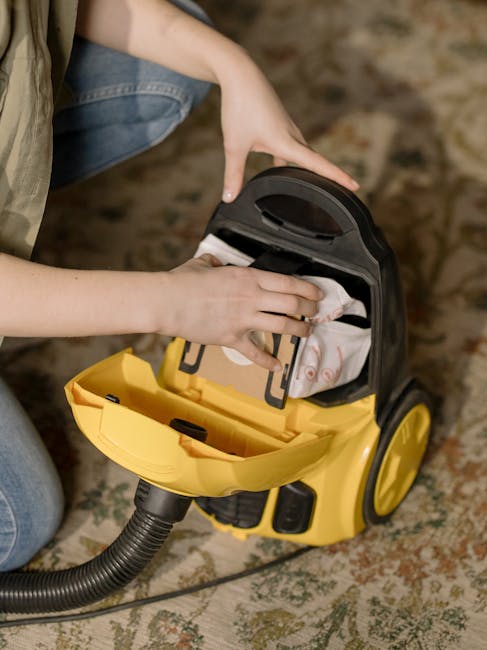
Fines and recycling: Pimlico carpet disposal laws explained

If you are replacing a worn carpet in Pimlico, the last thing you want is a fine, a missed collection, or a pile of old flooring sitting in the hallway. Yet carpet disposal is one of those jobs that looks simple until you have to deal with bagging, lifting, recycling, and the practical reality of getting bulky waste handled the right way. This guide to Fines and recycling: Pimlico carpet disposal laws explained breaks down what usually matters in plain English, what can go wrong, and how to dispose of carpet responsibly without creating needless hassle.
In a place like Pimlico, space is tight, access can be awkward, and neighbours notice everything. That makes the details matter more than people expect. The good news? Once you understand the basic rules, avoiding penalties and choosing the most sensible recycling route becomes much easier. Let's walk through it properly.
Why Fines and recycling: Pimlico carpet disposal laws explained Matters
Carpet disposal sounds like a basic household task, but in London it sits right at the intersection of waste rules, property management, and common sense. If you dump carpet in the wrong place, leave it out at the wrong time, or hand it to an unlicensed operator, the cost can be more than just inconvenient. You could face enforcement action, extra removal charges, or complaints from neighbours and managing agents. Nobody needs that on a moving week.
What makes Pimlico different is the local environment. Flats, maisonettes, managed buildings, short access windows, and shared entrances all make waste handling more sensitive. A rolled-up carpet in the wrong corridor can quickly become a trip hazard. A bagged underlay left beside a street bin can be treated as fly-tipping if it is not collected properly. So the issue is not just about "getting rid of old carpet"; it is about doing it in a way that is lawful, tidy, and traceable.
Recycling also matters more than many people realise. Carpet is not always a simple single-material item. It may include fibres, latex backing, underlay, adhesive residue, and dirt. Some parts can be diverted from disposal streams, while others cannot. Knowing the difference helps reduce waste, supports better environmental outcomes, and often makes the whole job feel less wasteful. To be fair, few people want to see perfectly usable material go straight to landfill if there is a better route.
Practical takeaway: The safest approach is usually to treat old carpet as bulky waste that needs proper sorting, controlled removal, and a disposal route that matches local requirements. Guesswork is what tends to create fines.
How Fines and recycling: Pimlico carpet disposal laws explained Works
The basic process is straightforward once you strip away the jargon. Carpet should be removed carefully, separated from any reusable or recyclable components where possible, and handed to a legitimate disposal or recycling route. The exact local arrangements can vary depending on building rules, collection services, and the condition of the material, but the principles stay the same.
Here is the usual flow:
- Assess the carpet. Decide whether it is clean enough to recycle or whether contamination makes disposal the safer choice.
- Separate materials. If possible, remove underlay, grippers, staples, and excess adhesive. That makes handling easier and can improve recycling potential.
- Bag or roll the waste. Tidy packaging reduces mess and lowers the chance of complaints or hazards in shared spaces.
- Choose the correct route. Depending on quantity and access, this may be a council-style collection, a licensed waste carrier, or a specialist clearance service.
- Keep proof. If someone else removes the waste, ask for confirmation that it has gone through an appropriate route. That simple step can save a lot of stress later.
People sometimes assume that as long as carpet is "just waste," any removal method is fine. It isn't. The fine risk usually comes from poor handling: dumping, unsafe storage, obstruction of public areas, or using a service that cannot show proper waste management. If you are in doubt, ask before the carpet leaves your property rather than after.
There is also a practical side to recycling. A cleaner carpet offcut, separate from muddy underlay and building debris, has a much better chance of being processed usefully. If the carpet came from a renovation or landlord refresh, services such as after-builders cleaning can help clear dust and residues before items are sorted, while house clearance may be the more efficient route when you are dealing with large volumes of mixed waste.
Key Benefits and Practical Advantages
Doing carpet disposal properly is not just about avoiding trouble. It also makes the rest of the job run more smoothly. In our experience, the people who plan disposal early tend to have a much calmer moving day. Funny how that works.
- Lower risk of fines or complaints. Proper storage and lawful removal reduce the chance of enforcement issues.
- Better recycling outcomes. Clean, separated material is more likely to be reused or recovered.
- Less mess indoors and out. Rolled and contained carpet is easier to move through stairwells and communal areas.
- Less disruption to neighbours. Clear timing and tidy collection keep hallways and entrances safer.
- Faster project completion. Waste planning prevents the "we'll deal with it later" problem that drags on for days.
For landlords and agents, this is especially useful during end-of-tenancy work. Carpet disposal often sits beside cleaning, final inspections, and handovers. Pairing removal with end-of-tenancy cleaning or, in some homes, move-out cleaning can keep the whole process tidier and reduce last-minute pressure.
There is a quieter advantage too: good disposal habits make future decisions easier. If you know what can be recycled and what needs to go as waste, you stop treating every old carpet like a mystery object. That sounds small, but it saves time.
Who This Is For and When It Makes Sense
This topic matters to more people than you might think. It is not only for landlords or contractors. Homeowners, tenants, letting agents, office managers, and anyone doing a refurb in Pimlico can run into carpet disposal questions.
- Tenants moving out: especially if the carpet has been damaged, heavily soiled, or removed as part of an agreed exit clean.
- Landlords and letting agents: when a turnover involves replacing damaged flooring or clearing old fittings.
- Homeowners: if you are upgrading rooms one by one and want to avoid cluttering the property with rolled carpet.
- Office and commercial clients: when replacing carpet tiles, hallway runners, or reception flooring.
- Builders and decorators: when flooring waste is one item within a larger clearance job.
It also makes sense if you are dealing with awkward materials. For example, heavily glued carpet from stairs, pet-affected flooring, or old underlay that is brittle and messy. In those cases, proper handling becomes less of a nice-to-have and more of a necessity. A service such as pet stain odour removal can sometimes be part of deciding whether a carpet can be cleaned, salvaged, or should simply be removed.
And yes, sometimes the carpet is not really the carpet. It is the sticky layer underneath, the broken gripper rods, the staples, the smell, the dust. The whole thing. That is when the disposal plan matters most.
Step-by-Step Guidance
If you want to stay on the safe side, follow a practical sequence rather than improvising on the day. It is a bit dull, but dull is good when fines are involved.
- Measure the carpet area. Knowing how much material you have helps you judge whether it is a small household job or a larger clearance.
- Check the carpet condition. Clean, dry material is simpler to handle than damp or contaminated flooring.
- Remove fittings first. Take out loose grippers, nails, staples, and excess tape where safe to do so.
- Decide whether recycling is realistic. If the carpet is too dirty, wet, or mixed with debris, it may not be suitable for recycling.
- Choose a disposal route. For smaller loads, a planned collection may be enough; for bigger jobs, a specialist service is usually less stressful.
- Keep access clear. Avoid blocking common hallways, lifts, or pavements while you wait for collection.
- Get confirmation. Ask for evidence or a clear record that the waste has been taken to a lawful destination.
If the removal is connected to a full property refresh, it can help to bundle jobs together. For example, pairing carpet removal with domestic cleaning or one-off cleaning means less back-and-forth and fewer days living around half-finished work.
One useful habit: photograph the carpet before and after removal. It is a small step, but if a dispute later comes up about damage, timing, or whether waste was left behind, those photos can be surprisingly helpful. Nothing fancy. Just sensible.
Expert Tips for Better Results
These are the little things that make a noticeable difference. Not glamorous, but very real.
- Keep carpet dry. Damp carpet is heavier, harder to move, and more likely to smell while waiting for collection.
- Bundle by room. If you label rolls by room, disposal and replacement work become easier to track.
- Avoid mixing waste streams. Carpet, underlay, plaster dust, and general rubbish should not all be thrown together if you can help it.
- Plan around access times. Pimlico buildings often have narrow windows for lifts, loading, or shared entrances.
- Ask about recycling first. Even if only part of the material can be recovered, that is better than assuming none of it can.
It also helps to think about the wider cleaning plan. If carpet removal is just one part of a bigger upgrade, services such as deep cleaning, steam carpet cleaning, or stain removal can sometimes extend the life of existing flooring, which means less waste in the first place. That is the cleanest win, really.
And if you are managing an office or rented communal building, timing matters even more. A carpet job that lands at 8:00 a.m. in a shared corridor can be felt by everyone. A bit of scheduling discipline goes a long way.
Common Mistakes to Avoid
Most carpet disposal problems come from a handful of avoidable errors. Once you know them, they are pretty easy to sidestep.
- Leaving carpet in common areas. This can create obstruction, nuisance, and potential complaints.
- Assuming any waste collector is fine. Use only a legitimate and appropriate route for removal.
- Throwing carpet into general household bins. That usually is not practical and may breach local waste expectations.
- Forgetting underlay and fixings. These can create mess or pose a hazard after the main carpet is gone.
- Ignoring building rules. Managed properties often have their own waste handling requirements.
- Trying to rush disposal at the end. That is when mistakes happen, especially on moving day.
Another common issue is overestimating how recyclable an item is just because it looks clean enough. Some carpets are fine to recycle in part, while others are not. If there is glue contamination, heavy staining, water damage, or mixed material backing, the realistic path may be disposal rather than recycling. Better to be honest about that than to make a false assumption.
For commercial spaces, poor planning can also disrupt staff and visitors. That is why commercial cleaning and commercial carpet cleaning often sit alongside removal decisions: sometimes the right move is restoration, sometimes replacement. Either way, the disposal route should be clear.
Tools, Resources and Recommendations
You do not need a truck full of specialist gear to manage carpet disposal well. A few basic tools and sensible choices usually cover the job.
- Utility knife or scraper: useful for lifting carpet edges carefully, if safe to use.
- Heavy-duty gloves: helpful for handling tack strips, staples, and rough backing.
- Dust sheets or tarps: keep hallways and entrances cleaner during removal.
- Strong tape or ties: to secure rolled carpet before moving it.
- Marker or labels: handy if several rooms are being cleared at once.
- Phone camera: for photos, evidence, or simple job records.
As for service choices, the right recommendation depends on the scope of work. If you are preparing a property for changeover, move-in cleaning and move-out cleaning can help frame the disposal schedule. If the property needs a broader reset, house cleaning or regular cleaning may help you decide whether flooring should be kept or replaced later.
If you want to keep costs and expectations clear from the start, review pricing and quotes, plus the site's terms and conditions. That is especially useful when the job includes more than simple carpet removal.
Law, Compliance, Standards, or Best Practice
Without pretending every case is identical, the main compliance point is simple: waste must be handled lawfully, safely, and responsibly. That generally means keeping it out of the public highway, not fly-tipping it, and using a removal route that is appropriate for the type and volume of waste. If another person or company takes the waste away, it is wise to make sure they are properly set up to do so.
For residents in managed buildings, there may also be lease terms, estate rules, or building instructions that affect timing and presentation. Those are not just "suggestions." If your block asks for bags to be labelled, waste to be removed on certain days, or corridors to be kept clear, follow the rules. It saves awkward conversations later.
Best practice usually includes:
- storing the carpet safely before collection;
- not placing bulky items in shared fire routes;
- separating recyclable material where practical;
- keeping a simple record of removal;
- using reputable services that can explain their waste handling process.
Environmental best practice also points toward waste reduction. If a carpet can be cleaned, repaired, or reused, that will often be preferable to immediate disposal. Services such as rug cleaning, upholstery cleaning, and sofa cleaning are not carpet disposal services, of course, but they show the broader principle: keep useful items in use where possible.
If the job involves a property with pets, damp smells, or layered contamination, be cautious about calling something recyclable just because it is still structurally intact. Sometimes the responsible answer is simply no, and that is fine.
Options, Methods, or Comparison Table
Not every disposal route is the same. The right method depends on how much carpet you have, how clean it is, and how quickly it needs to go. Here is a simple comparison.
| Method | Best for | Pros | Watch-outs |
|---|---|---|---|
| Small DIY removal and scheduled disposal | Single-room jobs or lightly used carpet | Low cost, flexible timing | Can be awkward in flats; easy to get the timing or handling wrong |
| Licensed waste collection | Standard household or landlord disposal | Convenient, usually more compliant | Need to confirm what is accepted and how it is handled |
| Specialist clearance service | Larger volumes, mixed waste, access challenges | Fast, less lifting for you, better for bulky loads | May cost more, so quote clarity matters |
| Recycling-first separation | Cleaner carpets and manageable material separation | Better environmental outcome, less waste | Not every carpet qualifies; contamination can limit options |
In many Pimlico homes, the specialist route is not extravagant at all; it is simply the least stressful. Narrow staircases, tight parking, and shared entrances can make a "simple" job harder than expected. Sometimes paying for the right approach is cheaper than trying to save a little and creating a mess.
Case Study or Real-World Example
Here is a realistic scenario. A second-floor flat in Pimlico is being prepared for new tenants. The existing living-room carpet is dated, stained, and partially lifted at the edges. The tenant is moving out on Friday, the inventory is booked for Monday, and the building has limited access hours for bulky waste.
The sensible plan is not to drag the carpet into the corridor and hope for the best. Instead, the carpet is measured, rolled, and tied, the underlay is removed separately, and the landlord checks whether the material is clean enough for recycling. Because the carpet has a few stains but is otherwise dry, part of the material can be sorted for recovery, while the worn underlay goes to disposal. The collection is timed for the permitted window, keeping the hallway clear and avoiding complaints from neighbours.
Nothing dramatic happened. That is the point. No drama usually means the process was handled well.
Now compare that with the rushed version: carpet dumped in the lobby overnight, no packaging, no plan, and a builder saying they will "sort it later." That is where problems start. The difference is not the carpet itself. It is the process.
Practical Checklist
Use this before you remove or arrange disposal for any carpet in Pimlico.
- Confirm whether the carpet is being reused, cleaned, recycled, or discarded.
- Measure the area and estimate the volume of waste.
- Remove loose fittings, staples, and underlay where possible.
- Roll and secure the carpet safely.
- Keep all waste out of common walkways and fire routes.
- Check building rules or collection timing requirements.
- Use a legitimate waste or clearance route.
- Ask for confirmation that the waste has been taken away properly.
- Take photos before and after removal.
- Book cleaning or follow-on work only after the disposal plan is clear.
If the carpet is part of a larger refresh, you may also want to line up Airbnb cleaning, office cleaning, or communal area cleaning depending on the property type. That kind of coordination keeps everything moving without the usual last-minute scramble.
Get a free quote today and see how much you can save.
Conclusion
Carpet disposal in Pimlico is not hard once you understand the logic behind it: keep waste tidy, separate what you can, respect building rules, and use a lawful removal route. Do that, and you dramatically reduce the chance of fines, complaints, and unnecessary stress. Ignore it, and the whole thing can turn into a messy little headache very quickly.
The key is to think ahead. Ask whether the carpet can be cleaned, reused, or recycled before deciding it is rubbish. Match the disposal method to the actual job, not the one you hoped you were doing. That mindset alone will save a lot of trouble. Honestly, it is one of those jobs where a little planning feels boring at the start and brilliant at the end.
If you are dealing with a full property refresh, it can also help to understand the company behind the work. You can review the team's about us page, check insurance and safety, or read the recycling and sustainability approach before booking. Small details, yes. But they matter.
And if all you needed was a clear answer: keep it lawful, keep it tidy, and keep recycling in mind where it genuinely applies. That is the best way through it, every time.
Frequently Asked Questions
Can I leave old carpet outside my Pimlico property for collection?
Usually only if it has been arranged properly and does not block pavements, entrances, or shared routes. Leaving carpet out casually is where problems often begin.
Are all carpets recyclable?
No. Some carpets can be partly recycled, but contamination, glue, underlay, moisture, and mixed materials can limit what is possible. It depends on the actual condition of the item.
What causes fines with carpet disposal?
Common reasons include fly-tipping, leaving waste in communal areas, using an unsuitable disposal route, or failing to follow building and local waste rules.
Do I need to remove underlay as well?
If you can do so safely, yes. Separate underlay is easier to handle and can improve sorting. It also makes the main carpet roll easier to move.
Is it better to clean or replace a carpet?
That depends on damage, smell, staining, and age. In some cases, steam carpet cleaning or stain removal can extend the carpet's life. In others, replacement is the honest answer.
Can a landlord charge for carpet disposal?
Potentially, depending on the tenancy agreement, the carpet's condition, and who is responsible for the waste. It is best to check the agreement and keep clear records.
What is the safest way to move a carpet through a flat building?
Roll it tightly, secure it, keep it dry, and move it during a permitted time window. If access is awkward, a professional removal service may be the safer option.
How do I know if a waste collector is legitimate?
Ask how they handle waste, where it goes, and whether they can provide confirmation of lawful disposal. If the answers are vague, that is usually a warning sign.
What should I do if my carpet smells strongly of pets or damp?
Be cautious about recycling claims. Strong odour, dampness, and contamination can make the material unsuitable for recovery. In some cases, disposal is the realistic path, though a specialist like pet stain odour removal may help if you are still deciding.
Does carpet disposal differ for commercial properties?
Yes, mainly because of volume, access, timing, and business disruption. Offices and shared buildings often need more careful scheduling, especially where public areas are involved.
What if I have a lot of mixed waste with the carpet?
Mixed waste usually means you need a more considered clearance plan. A service such as house clearance or a broader deep cleaning arrangement may be more practical than trying to manage it piece by piece.
Where can I check service details before booking?
You can review the site's pricing and quotes, terms and conditions, and contact us pages for practical booking information.