Carpet Cleaning
 Upholstery Cleaning
 End Of Tenancy Cleaning
 Domestic Cleaning
 House Cleaning
 Office Cleaning


Mould and damp carpet fixes for Pimlico basement flats
Posted on 02/06/2026
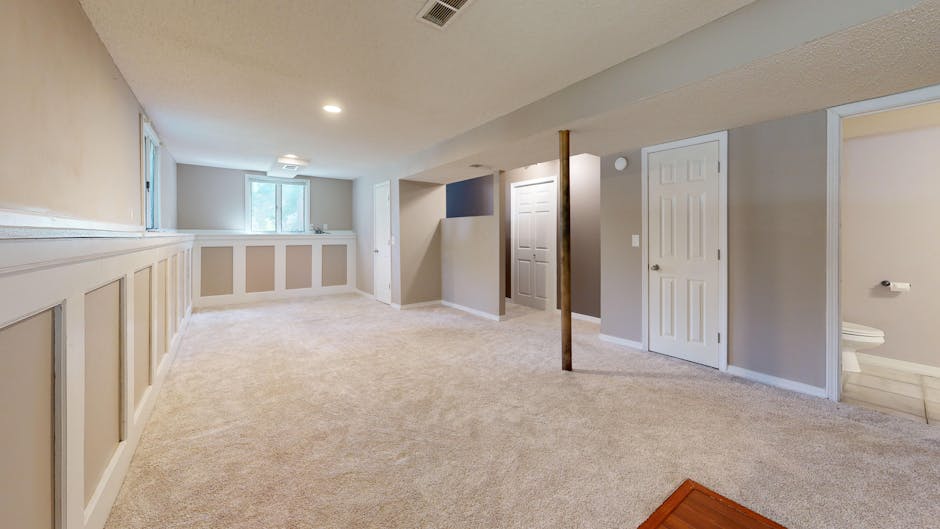
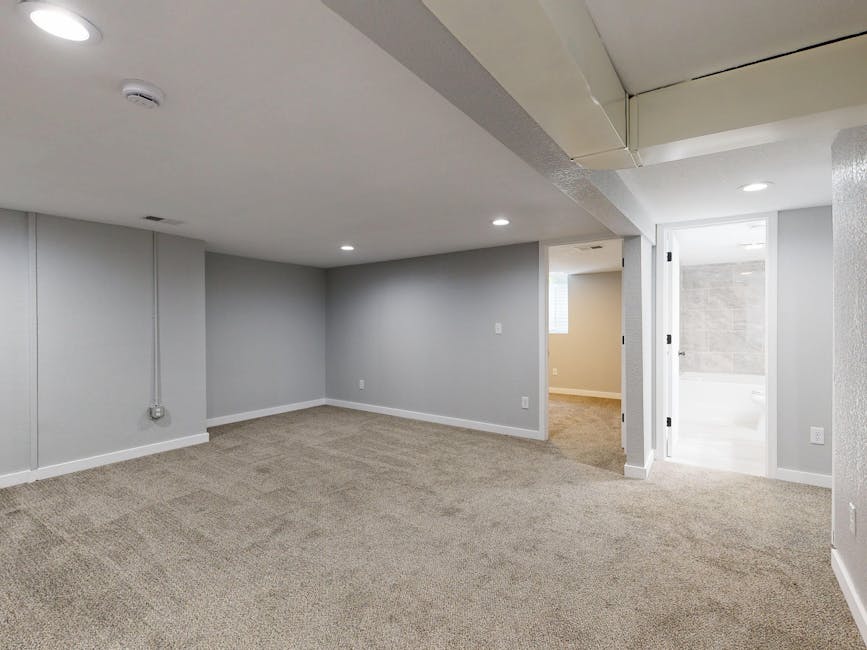
Basement flats in Pimlico can feel wonderfully tucked away until the carpet starts to smell musty, corners go cool and clammy, or you notice a faint tide mark along the skirting. If that sounds familiar, you are not alone. Mould and damp carpet fixes for Pimlico basement flats are about much more than making the room look tidy again; they are about protecting the floor covering, improving indoor air quality, and stopping a small damp issue from turning into a bigger headache. In a lower-ground flat, the carpet is often the first thing to show that moisture is building up somewhere. The good news? With the right approach, most situations can be improved, and many can be prevented from coming back.
This guide walks through what causes the problem, what actually works, what to avoid, and how to decide whether a carpet can be saved or should be removed. You will also find a practical checklist, a comparison of common methods, and a realistic example from a Pimlico basement setting. Nothing fluffy. Just useful, grounded advice.
For more local reading, you may also find the wider Pimlico blog helpful, especially if you want to understand how nearby homes, flats, and building layouts affect carpet care.
Why Mould and damp carpet fixes for Pimlico basement flats Matters
Damp in a basement flat is not just a cosmetic problem. Carpets act like a sponge for condensation, minor leaks, spill residue, and poor airflow. Once moisture sits in the pile or underlay, mould can develop quickly, especially where air circulation is limited. And basement flats, to be fair, often have all the ingredients: cool walls, less direct sunlight, and everyday humidity from cooking, showers, drying clothes, and people coming in and out on wet days.
What makes this especially important in Pimlico is the mix of period buildings, conversions, and lower-ground homes where ventilation can be patchy. A carpet may look fine on the surface while the underlay, gripper edge, or subfloor is quietly holding on to damp. You might only notice it when the smell lingers after the heating is on, or when one corner feels colder than the rest. That is the tricky bit. The visible patch is often not the whole story.
There is also a health and comfort angle. Mould spores can aggravate respiratory issues, trigger irritation, and make a flat feel unpleasant to live in. Even if you are not dealing with a severe infestation, a small persistent damp problem tends to spread. It can stain fibres, weaken backing, and shorten the life of the carpet. Let's face it, no one wants to replace flooring sooner than necessary.
If you are moving out, letting a flat, or preparing for a new tenant, this matters even more. A lingering damp smell can create avoidable disputes and extra cleaning work. In those cases, services such as end of tenancy cleaning in Pimlico can be part of the wider recovery plan, but only after the moisture source has been addressed.
How Mould and damp carpet fixes for Pimlico basement flats Works
The fix usually follows a simple principle: remove moisture, remove contamination, dry thoroughly, and stop the source from returning. The order matters. If you only deodorise the carpet without drying the subfloor, you may have a nicer smell for a day or two, then the mustiness comes back. That is the classic trap.
In practice, a proper damp carpet repair plan starts with identifying where the moisture is coming from. Common causes include condensation on cold surfaces, high humidity, plumbing leaks, rain ingress, overflowing appliances, and in some cases groundwater or external wall issues. Once the source is understood, you can choose the right response. Sometimes that is a deep clean and controlled drying. Sometimes it is partial lifting, underlay replacement, or full carpet removal if the contamination is too far gone.
There is a difference between surface mould and hidden damp. Surface mould may show as grey, green, or black spotting on the pile, with a stale smell. Hidden damp usually shows itself as a general flat, earthy smell and slow drying time after any cleaning. If a carpet feels dry on top but the underlay stays wet underneath, the problem is still active. That's the bit people miss.
Professional carpet treatment normally combines mechanical extraction, targeted cleaning, and careful drying. Steam alone is not a miracle cure. In the wrong situation, it can add more moisture. Likewise, harsh bleach is a bad idea for most carpets because it can damage fibres and backing. The right method depends on the fibre type, the extent of contamination, and how much damp has reached the subfloor.
Key Benefits and Practical Advantages
When the carpet is fixed properly, the benefits are immediate and fairly obvious. The room smells fresher. The air feels less heavy. The carpet stops looking tired and patchy. But there are a few deeper advantages worth calling out.
- Better indoor air quality: reducing mould growth means fewer spores and less musty air.
- Longer carpet life: removing moisture early helps preserve fibres, backing, and underlay.
- Lower replacement costs: a carpet that can be recovered is usually cheaper to treat than to rip out and replace.
- Less risk of recurring odour: proper drying and source control stop that stubborn basement smell.
- Improved tenant or owner confidence: a dry, clean flat simply feels more cared for.
There is also a practical benefit that is easy to overlook: once you know the cause, future maintenance gets simpler. You stop treating each symptom separately and start managing the room as a small moisture system. A bit nerdy, maybe, but useful.
If the flat is also used for guests, short lets, or regular hosting, the difference is even clearer. You may want to pair carpet care with other general upkeep, such as domestic cleaning in Pimlico or house cleaning support so the whole space feels dry, bright, and looked after rather than just patched up.
Who This Is For and When It Makes Sense
This topic is relevant for anyone living in or managing a basement or lower-ground flat in Pimlico, but some people need it more urgently than others.
- Tenants who notice a smell, a visible patch, or a damp feel underfoot.
- Landlords who want to protect flooring before a void period gets longer.
- Buy-to-let owners who need to keep lower-ground properties presentable and resilient.
- Homeowners dealing with a one-off leak, condensation problem, or previous flood event.
- People preparing to move out and hoping to avoid disputes over carpet condition.
It makes sense to act quickly if you can answer yes to any of these: Does the carpet smell damp after heating has been on for a while? Is one area slow to dry after cleaning? Do you see spotting near the wall edge? Has there been a leak, spill, or flood in the last few weeks? If yes, you are already past the "maybe it will sort itself out" stage. Sorry, but that rarely happens.
For flat owners comparing service options, it can be handy to browse the site's services overview and pricing and quotes page so you understand how cleaning, drying, and follow-up work are usually approached.
Step-by-Step Guidance
Here is a sensible order of operations for mould and damp carpet recovery in a Pimlico basement flat. The key is not to rush. Rushing tends to lock moisture in, and then you are back where you started.
- Find the moisture source. Check the obvious stuff first: plumbing, radiators, window reveals, external walls, and any area near appliances. If the issue follows heavy rain or a storm, look more closely at wall edges and corners.
- Test the extent of the damage. Lift a corner if safe to do so and look at the underlay. If the underlay is wet, discoloured, or smells strongly musty, the problem is deeper than the pile.
- Remove loose contamination. Use careful vacuuming with a good filter system, ideally before any wet work. Do not scrub mould aggressively, as that can spread debris into the fibres.
- Apply the right cleaning method. Use a carpet-safe treatment suited to the fibre. For light surface contamination, a controlled clean may be enough. For heavier damp staining, you may need specialist extraction and drying.
- Dry the carpet and the room thoroughly. Open airflow where possible, use heating sensibly, and keep the carpet exposed until moisture readings or touch tests suggest it is fully dry. Hidden damp is the enemy here.
- Replace what cannot be saved. If the underlay is contaminated or the backing has broken down, replacement is usually the cleaner long-term choice.
- Fix the root cause. Improve ventilation, seal leaks, manage condensation, and make sure furniture is not pressed hard against cold perimeter walls.
If the flat has already had water ingress, it can be worth reading about emergency carpet cleaning after floods in Pimlico. The principles overlap a lot, especially around fast drying and checking what is happening below the surface.
One small but important note: if you smell a sweet, earthy odour and the room feels clammy at night, that is often your first clue that the job is not just a surface clean. You do not need to panic. You do need to treat it seriously.
Expert Tips for Better Results
A few practical habits make a big difference in basement flats. These are the sort of things that sound simple, but they save people a lot of repeat trouble.
- Act on smell early. A musty smell is often the first warning. Do not wait for visible mould to appear.
- Keep furniture off damp edges. Air needs to move along cold walls and skirting, especially in lower-ground rooms.
- Use controlled heat, not blast heat. Gentle warmth helps dry fabric and underlay without forcing moisture deeper into the room.
- Ventilate after showers and cooking. It sounds obvious, but in compact basement flats, everyday moisture builds faster than people expect.
- Check behind rugs and storage items. The hidden spots are often where damp lingers.
- Clean the whole room, not just the patch. A treated spot can stand out if the rest of the carpet remains dull or odorous.
There is also a local awareness point. Pimlico basement flats can vary a lot. Some are beautifully renovated and well ventilated; others are older conversions with quirks in the walls, older pipe runs, or tricky air movement. That means the same carpet symptom may have a very different cause from one flat to the next. No two are exactly alike. Annoying, yes. But true.
If you are unsure whether the carpet is recoverable, you may want to compare treatment against replacement and, if needed, look into bulky waste carpet disposal in Pimlico so you can judge the full cost picture rather than guessing.
Common Mistakes to Avoid
Most repeated damp carpet problems come from the same handful of mistakes. If you avoid these, you are already ahead.
- Cleaning before fixing the leak or condensation source. This is the big one. If water is still coming in, any clean is temporary.
- Using too much water. Over-wetting a carpet in a basement flat is a classic way to make things worse.
- Sealing in moisture. Putting furniture, runners, or rugs back too soon traps damp and encourages mould return.
- Ignoring the underlay. The surface can look fine while the layers below are still contaminated.
- Using the wrong chemicals. Strong bleach or harsh household products can damage fibres and make staining worse.
- Assuming odour means "just a smell". In damp rooms, smell is often a symptom, not a nuisance on its own.
Another mistake is trying to solve the issue in one evening. Sometimes you can get a carpet much better in a day, but a deeper moisture problem needs a staged fix. Quick win first, then proper drying, then prevention. That order matters.
Tools, Resources and Recommendations
You do not need a shed full of specialist gear, but the right tools make the job more reliable. In a real basement flat, the basics are often enough to tell you whether you are dealing with a small clean-up or a deeper damp issue.
| Tool or approach | What it helps with | Best use case |
|---|---|---|
| Strong vacuum with filtration | Removes dry debris, spores, and loose dust | Before any damp treatment |
| Carpet-safe cleaner | Lifts light staining and residue | Surface mould or mild odour |
| Air movement and ventilation | Speeds drying | After cleaning or spill recovery |
| Dehumidification support | Reduces room humidity | Persistent basement damp |
| Underlay inspection | Shows whether the problem is deeper than the pile | Any recurring smell or wet patch |
| Professional carpet treatment | Deep extraction and fibre-safe restoration | Large affected areas or hidden damp |
For a reliable local clean, it is worth reviewing the company background and approach on about us and checking the practical expectations in insurance and safety. Those pages can help you judge whether a provider feels careful rather than slapdash.
If you are comparing options for a larger clean around the flat, the site's upholstery cleaning, carpet cleaning in Pimlico, and domestic cleaning pages can help you see how a wider refresh might be organised. Not every basement flat needs a big package, but it is good to know what is available.
Law, Compliance, Standards, or Best Practice
For mould and damp in a private flat, the most useful lens is usually best practice rather than trying to quote hard rules for every scenario. In the UK, landlords, managing agents, and owners all have duties to keep a home reasonably safe and maintained. In plain English: if the damp is caused by a building issue, it should not be left to fester behind the carpet.
From a cleaning and safety point of view, a sensible provider should work carefully around damaged materials, avoid spreading contamination, and use appropriate protective measures. That includes recognising when a carpet is beyond simple cleaning and should be lifted. It also means not pretending that a quick deodorising spray counts as a fix. It doesn't, really.
In shared or rented accommodation, record-keeping matters. If there has been a leak, take photos, note the date, and keep messages about repairs. That makes it easier to track whether the source has been repaired before the carpet work begins. If a flat is being handed over at the end of a tenancy, a tidy paper trail helps everyone.
Good practice also means being transparent about limits. For example, a heavily mould-affected underlay may need disposal, and a saturated carpet may not be safely recoverable. Honest advice is better than optimistic guessing. If a company offers a quote, it should be based on what the room actually needs, not just a generic sales pitch.
Options, Methods, or Comparison Table
Not every damp carpet problem needs the same remedy. Here is a simple comparison to help you think clearly.
| Method | Best for | Pros | Limitations |
|---|---|---|---|
| Light surface clean | Small visible patches, light odour | Fast, affordable, less disruptive | Not suitable if underlay is wet or mould is deep |
| Deep extraction and drying | Moderate damp, lingering smell, recent spill or leak | More thorough, can save carpet | Takes longer; needs proper airflow |
| Partial lift and underlay replacement | Edge contamination, localised subfloor damp | Targets the real problem | More work than a simple clean |
| Full carpet removal | Severe mould, rotten underlay, repeated ingress | Clean reset, removes contamination fully | Higher cost and more disruption |
In practice, the "best" method is the one that solves the source and leaves the room genuinely dry. If you are weighing up repair against replacement, it may help to check real-world service expectations on reviews and any current promotions before deciding. No need to guess if there is a sensible route available.
Case Study or Real-World Example
Imagine a lower-ground Pimlico flat where the bedroom carpet near the external wall starts to smell stale after a rainy week in early autumn. There is no dramatic flooding, no dramatic drama, just a corner that never quite feels dry. The resident first thinks it is the radiator. Then a small patch darkens, and the scent becomes more obvious when the heating comes on in the evening.
In a case like that, the right first move is not to scrub harder. It is to check the wall edge, lift the corner carefully, and see whether the underlay is holding moisture. If the patch is localised, the carpet may be recoverable through careful cleaning and controlled drying. If the underlay is damp and the smell sits below the surface, the affected section may need to be lifted and replaced. A dehumidifier, more airflow, and repairs to the external source might follow.
The important part is the sequence. Identify. Clean. Dry. Prevent. In a real flat, especially one with limited natural light and thick walls, that sequence often matters more than the product used. A quick fix can make the room look better. A proper fix makes it live better.
We have seen this same pattern across different Pimlico properties, from compact basement studio layouts to older conversions where furniture placement and limited ventilation create little pockets of trapped air. Slightly annoying, yes. But very fixable when handled in the right order.
Practical Checklist
Use this checklist before and during treatment. It helps keep the work focused.
- Check for leaks, seepage, or recent spills.
- Look for odour, staining, and cold damp edges.
- Lift a small section if safe to inspect the underlay.
- Confirm whether the issue is surface-only or deeper.
- Use gentle vacuuming before any wet cleaning.
- Choose a carpet-safe treatment, not a random household chemical.
- Dry the area thoroughly with good airflow and sensible heat.
- Keep furniture and rugs off the affected area until fully dry.
- Repair the moisture source before calling the job finished.
- Replace underlay or carpet sections if contamination is too deep.
Ticking those boxes will not solve every basement problem, but it will stop you wasting time on the wrong fix. And that is half the battle, honestly.
Conclusion
Mould and damp carpet issues in Pimlico basement flats are common enough to be frustrating, but they are not something you have to just live with. The key is to treat the carpet as part of a larger moisture picture. Clean it properly, dry it completely, and fix the source. If the underlay is compromised, be honest about that early rather than nursing it along for months.
Basement living can be warm, comfortable, and characterful when the space is looked after well. A dry carpet makes a big difference to how the whole flat feels underfoot, in the air, and even in your mood. Small fix, big relief. That is often how it goes.
Get a free quote today and see how much you can save.
And if you are still at the "is this just a smell or a real problem?" stage, take a breath. You are probably asking the right question already.