Carpet Cleaning
 Upholstery Cleaning
 End Of Tenancy Cleaning
 Domestic Cleaning
 House Cleaning
 Office Cleaning


Emergency carpet cleaning after floods in Pimlico
Posted on 06/05/2026
Emergency carpet cleaning after floods in Pimlico: what to do, what to avoid, and how to get carpets back under control
Floodwater in a Pimlico property is never just a damp-carpet problem. It can turn into a smell, a stain, a health concern, and a much bigger insurance headache if you leave it too long. Emergency carpet cleaning after floods in Pimlico is about acting quickly, safely, and in the right order so the carpet, underlay, and subfloor do not hold on to moisture for days. That matters whether the water came in through a leaking appliance, a burst pipe, heavy rain, or a neighbouring flat. And yes, in a London home, timing can make all the difference.
This guide walks you through the practical steps, the common mistakes, and the sensible decisions to make in the first few hours and days after a flood. You will also see when a carpet can likely be saved, when professional drying is the smarter move, and how to judge a service provider before you let anyone start. Lets face it, when you are standing in a wet hallway with that unmistakable smell in the air, you do not need vague advice. You need a plan.
Why emergency carpet cleaning after floods in Pimlico matters
Floodwater changes the whole picture of carpet care. A normal spill is one thing. Flooding is another. Water can soak through the pile, the backing, the underlay, and into the floor beneath. If the carpet stays damp, bacteria and odours can build up, glue may fail, and mould can begin in hidden pockets where the air does not circulate properly.
In Pimlico, many homes and flats have compact layouts, mixed-age building materials, and shared walls or floors. That makes fast action even more important. A wet carpet in a hallway can affect a bedroom. A saturated living room carpet can push moisture into skirting boards. It is a small problem only until it is not.
There is also the practical side. The quicker you address a flooded carpet, the better your chances of saving it, preserving the subfloor, and avoiding the sort of lingering smell that tends to hang around for weeks. To be fair, some carpets recover very well if you move quickly. Others need a more cautious approach, especially where the water was dirty, the carpet was older, or the underlay is already fragile.
If you are dealing with a wider property issue, it can help to look at related support too, such as the wider service overview or the company's insurance and safety information before deciding who should handle the job.
How emergency carpet cleaning after floods in Pimlico works
Emergency carpet cleaning is usually a process of assessment, extraction, cleaning, sanitising, and drying. The exact order changes depending on how much water entered the room and what type of water it was. Clean water from a burst pipe is very different from grey water or floodwater that has carried dirt and debris into the property.
In a proper response, the first step is not scrubbing. It is identifying the source, making the area safe, and checking how far the water has travelled. A professional will often look at the carpet edge, the underlay, the seams, and the nearby walls before deciding whether to clean in place or lift sections for deeper drying. That judgement call matters. Cleaning too early without checking the moisture level can trap dampness underneath, which is where people get into trouble.
Most emergency work then follows a fairly sensible sequence:
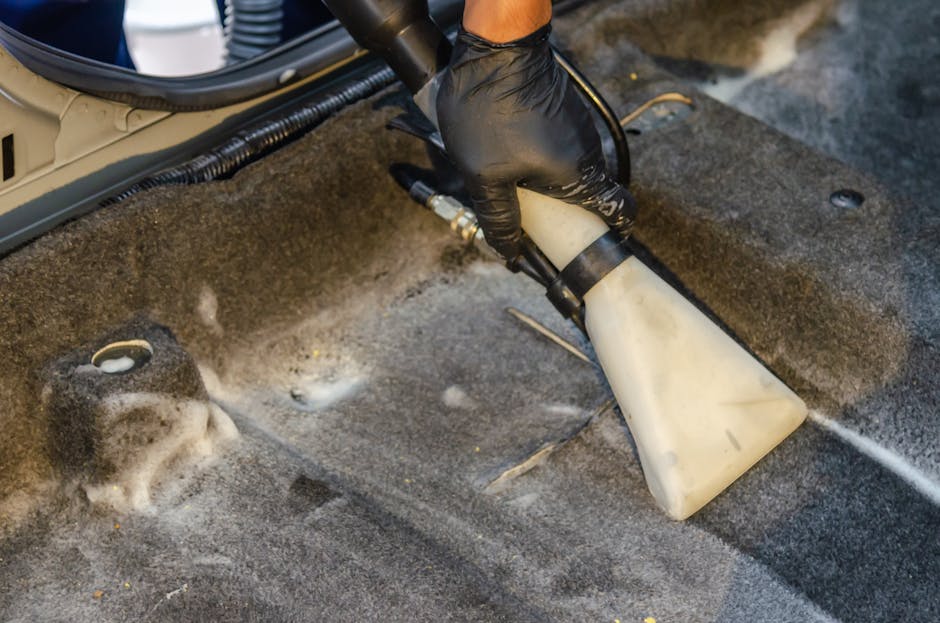
- Remove standing water using extraction equipment.
- Test the carpet, underlay, and surrounding materials for moisture.
- Apply an appropriate cleaning solution based on the contamination level.
- Rinse or neutralise residues where needed.
- Use air movers or dehumidification to speed drying.
- Check for odour, staining, and any hidden wet patches after the surface looks dry.
That last step is easy to skip, and it is a mistake. A carpet can feel dry on top and still be damp underneath. You can almost hear the false confidence in the room. Everything looks fine, until two days later it is musty again.
If you want to understand how carpet cleaning fits into the broader local offer, the main carpet cleaning Pimlico page is a useful starting point, and the company's about us page helps build trust if you are choosing a team after an emergency.
Key benefits and practical advantages
Fast emergency carpet cleaning is not just about making a room look better. The real benefits are more practical than that.
- It reduces the risk of mould and mildew. Moisture trapped in carpet layers creates the sort of environment where mould can take hold.
- It helps preserve the carpet. The sooner water is removed, the better the chance of saving fibres, backing, and seams.
- It protects the underlay and floor structure. That is often where the expensive hidden damage starts.
- It tackles odours early. Flood-affected carpets can smell stale, earthy, or sour very quickly.
- It supports insurance and property records. Clear action and documentation can help when you are reporting the damage.
- It makes the space usable sooner. In a flat or family home, that matters more than people expect.
There is also a quieter benefit: peace of mind. When the carpet is properly dealt with, the room stops feeling like a problem waiting to happen. You can walk through it without worrying about what is happening below the surface. That sounds simple, but after a flood, simple is good.
For landlords, managing agents, and business owners, a quick response can also reduce disruption for residents, guests, or staff. If you are responsible for a rented flat or commercial unit, the related end of tenancy cleaning in Pimlico and office cleaning Pimlico pages may also be useful depending on the setting.
Who this is for and when it makes sense
This service makes sense for a fairly wide group of people, but the details matter. A small carpet splash from a wet umbrella is not the same as a room flooded after a plumbing failure. Emergency work is most relevant when the carpet has been exposed to enough water that it has gone beyond surface moisture.
Typical situations include:
- burst pipes or leaking radiators
- overflowing washing machines or dishwashers
- rainwater entering through doors, balconies, or weak points
- localised flooding from a ceiling leak or upper-floor incident
- water damage in rental properties between tenants
- commercial spaces where carpeted areas must reopen quickly
It is especially sensible if the room has a thick pile, a natural-fibre carpet, glued-down flooring, or a basement-level layout. Those situations need more careful handling. And truth be told, if you are not sure whether the carpet can be saved, that is already a sign to get a professional assessment rather than assuming it will dry out on its own.
This is also where local knowledge helps. Pimlico properties can vary a lot from one street to the next. A modern apartment near the station will behave differently from a period property with older boards and more awkward airflow. If you are curious about the local setting and how it shapes services, these background pieces can be helpful: get to know Pimlico in London and hear from the locals.
Step-by-step guidance
If floodwater has reached the carpet, you do not need to do everything at once, but you do need to act in a sensible order. Here is a practical process that mirrors what experienced cleaners and restorers usually prioritise.
1. Make the area safe
Before touching anything, check whether electricity, appliances, or sockets are affected. If there is any doubt, do not stand in water near electrics. That is not the moment for brave improvisation. If the leak is ongoing, stop the source if you can do so safely.
2. Remove loose items
Move furniture, rugs, and portable items out of the affected room. Small items can be carried to a dry area. Heavy furniture may need protective blocks or careful lifting. If the item has already absorbed water, the goal is to prevent more staining or rust transfer onto the carpet.
3. Blot and extract standing water
Use towels for small areas, but for anything significant, extraction equipment is much more effective. Pressing water further into the pile is not the answer. You want lift, not spread.
4. Identify the water type
Clean water, grey water, and contaminated floodwater are not handled the same way. If the water came from outside, a drain backup, or a contaminated source, sanitising becomes much more important and the carpet may have different risks attached.
5. Inspect the underlay and edges
Edges near walls, door thresholds, and seams can hold moisture longer than the centre of the room. A cleaner may lift part of the carpet to check the underlay. That is often the deciding factor between a successful recovery and repeated problems.
6. Clean appropriately
Once the water is removed, a suitable cleaning and sanitising treatment can be applied. The aim is not just visual improvement. It is to remove residues, slow bacterial growth, and reduce odours.
7. Dry thoroughly
Drying is the real finishing line. Fans, air movers, and dehumidifiers help, but they need to be used properly. A room may need several hours or longer depending on the material and the amount of moisture involved.
8. Re-check after drying
Check for scent, damp patches, or a spongy feel underfoot. If it still seems off, it probably is. A second inspection is far better than discovering hidden damp a week later.
If you are comparing service providers, it can also help to read the company's customer reviews and check pricing and quotes before booking. Emergency work should feel clear, not mysterious.
Expert tips for better results
A few small decisions can make a big difference. These are the kinds of details people often miss when they are stressed and trying to move quickly.
- Act on the same day if possible. The longer moisture sits, the harder it is to remove cleanly.
- Lift, do not rub, fresh contamination. Rubbing can push dirt deeper into the pile.
- Keep windows open only if the outside air helps. In humid weather, open air alone may not be enough.
- Use dehumidification where practical. It often speeds up drying more reliably than just relying on airflow.
- Watch for hidden smells. Odour is often the first clue that moisture remains underneath.
- Document the damage. Photos, times, and notes can be useful for insurance or landlord conversations.
One small but useful observation: carpets near hallways and entrance points often dry unevenly because people keep walking over them. If you can, restrict foot traffic. That sounds obvious, but in a lived-in Pimlico flat with school bags, shoes, and wet coats everywhere, obvious tends to get ignored. Happens all the time.
For stain or edge issues caused by the water, a local specialist service like Eccleston Square apartments stain removal specialists can be a useful read if your problem is not just flooding but also stubborn marks. And if the incident happened near a specific local pocket, there is a useful area guide on carpet cleaning near Churchill Gardens too.
Common mistakes to avoid
Flooded carpets are one of those situations where good intentions can go sideways quite fast. A lot of the damage people blame on the flood itself is really caused by the first few reactions after the flood.
- Waiting too long. Overnight delays can turn a recoverable job into a bigger restoration issue.
- Using heat too aggressively. Blasting the carpet with high heat may damage fibres or set odours in place.
- Covering the carpet before it is dry. Plastic sheets or heavy mats trap moisture. Not ideal.
- Ignoring the underlay. A clean surface with wet backing underneath is still a problem.
- Assuming the smell will disappear by itself. Sometimes it does not. Honestly, it usually needs proper treatment.
- Walking on the area without care. Foot traffic spreads contamination and presses moisture deeper.
Another common mistake is treating every flood the same. A clean-water leak from a pipe is not the same as water from outside after heavy rain. The response needs to match the risk. That sounds a bit technical, but it really comes down to one simple question: what kind of water are you dealing with?
Tools, resources and recommendations
For emergency carpet cleaning after flooding, a proper toolkit makes the job safer and more effective. You do not need to buy everything yourself, of course, but it helps to know what professionals typically use and why.
| Tool or resource | What it does | Why it matters after a flood |
|---|---|---|
| Wet vacuum or extraction machine | Removes standing water from the carpet | Reduces saturation quickly and helps prevent deeper damage |
| Air mover | Pushes air across the carpet surface | Speeds up evaporation and drying |
| Dehumidifier | Pulls moisture from the air | Helps the room dry more evenly, especially in enclosed spaces |
| Moisture meter | Checks dampness in carpet, underlay, or nearby materials | Shows whether a carpet is truly dry, not just dry on top |
| Appropriate cleaning solution | Cleans and sanitises based on the contamination level | Helps control odour and reduce microbial growth |
| Protective gloves and footwear | Keeps the cleaner safer during contaminated water work | Important where floodwater may contain dirt or harmful residue |
If you are choosing a provider, a helpful sign is transparency. Look for clear explanations, sensible advice, and no pressure tactics. The right company will talk you through next steps, likely outcomes, and whether your carpet is actually salvageable. If you want to compare general support and service options, the promotions page can also be worth a look, especially if you need other cleaning work after the flood settles down.
And if you are trying to decide between different kinds of cleaning help for a wider property refresh, the domestic cleaning Pimlico and house cleaning Pimlico pages may be useful once the emergency stage is over.
Law, compliance, standards and best practice
Flood response in a home is not usually a heavily regulated process in the same way as major construction work, but best practice still matters. A reputable cleaner should work with appropriate safety measures, use suitable products for the material involved, and avoid unsafe assumptions about contamination.
In practical terms, that means a few things. First, electrical safety should be taken seriously if water has reached sockets, appliances, or power leads. Second, contaminated water should be treated cautiously, with protective equipment and proper disposal of waste water where required. Third, any drying or cleaning approach should avoid causing further damage to the carpet, subfloor, or surrounding decor.
For commercial premises, landlords, and managing agents, record-keeping is wise. Keep a note of when the leak happened, what area was affected, what action was taken, and who attended. That is helpful for internal reporting and any later insurance conversation. It is not glamorous, but it saves time.
If you are vetting a service, looking at the company's health and safety policy and terms and conditions can give you a better feel for how they work. That small bit of checking can prevent a lot of confusion later.
Options, methods, and comparison table
Not every flooded carpet needs the same response. Sometimes a focused extraction and dry-out is enough. Other times, lifting the carpet or replacing the underlay is the only honest answer. Here is a straightforward comparison.
| Method | Best for | Pros | Limitations |
|---|---|---|---|
| Surface extraction and cleaning | Minor clean-water flooding and fast response cases | Quick, less invasive, often cost-effective | May miss hidden moisture if underlay is affected |
| Deep dry-out with airflow and dehumidification | Moderate flooding where carpet may still be salvageable | Helps remove moisture from layers below the surface | Takes time and proper monitoring |
| Partial lifting of carpet | Edge saturation, trapped damp, or awkward room layouts | Reveals hidden wet areas and improves drying | More labour and care needed during refitting |
| Replacement of underlay | Heavier contamination or underlay that cannot be cleaned properly | Removes a common source of odour and retained moisture | Adds cost and time, but sometimes necessary |
| Full carpet replacement | Severe contamination or structural damage | Fresh start and fewer hidden risks | Most expensive option, and not always needed |
The right choice often depends on the water source, how long the carpet stayed wet, and whether the backing or underlay has begun to fail. If you are in doubt, ask for an assessment before agreeing to a full replacement. Sometimes a carpet is more recoverable than it looks. Sometimes not. The honest answer is the useful one.
Case study or real-world example
Here is a realistic example based on the sort of situation people often face in Pimlico. A resident returns home after a boiler leak in a first-floor flat. The living room carpet is damp across one side, the hallway feels soft underfoot, and there is a faint musty smell by evening. Nothing dramatic, but enough to worry about.
The sensible response starts with stopping the leak and moving furniture away from the wet area. After that, the carpet is extracted and checked along the edges and near the skirting. A moisture meter shows the surface is drying, but the underlay at the threshold is still holding water. That means drying needs to continue, and part of the carpet may be lifted to expose the damp patch properly.
Within the first day, the surface look improves. By the second day, the odour is reduced. The important part, though, is that the hidden moisture is also addressed. Without that step, the carpet might have looked fine for a while and then started smelling again. That is the trap people fall into.
It is a good example of why emergency carpet cleaning is not only about stain removal. It is about knowing what is happening beneath the pile. If the room had needed broader support after the leak, the customer could also have explored the related guide to real estate investments in Pimlico or Pimlico property insights pages if the property was being managed as part of a wider portfolio. Not the first thought in a flood, granted, but useful later if you own or let the property.
Practical checklist
Use this checklist if you are dealing with flood-affected carpet in Pimlico. It is intentionally simple.
- Stop the water source if it is safe to do so.
- Switch off electricity to affected zones if there is any risk.
- Move furniture and loose items out of the area.
- Photograph the damage for records.
- Remove standing water as quickly as possible.
- Check whether the water is clean, grey, or contaminated.
- Inspect edges, underlay, and nearby walls for hidden damp.
- Clean and sanitise with suitable products.
- Dry thoroughly using airflow and dehumidification where practical.
- Re-check for odour, damp patches, and spongy flooring.
- Ask for a clear explanation if any section needs lifting or replacement.
Expert summary: if the carpet is only surface-wet and the water source was clean, it may be recoverable with fast extraction and drying. If moisture has reached the underlay, edges, or subfloor, a deeper treatment is usually needed. The sooner you inspect, the better your options.
Conclusion
Flooded carpet is stressful, but it is not automatically a lost cause. With the right response, many carpets can be cleaned, dried, and returned to normal use without dragging moisture and odour around for weeks. The key is to act quickly, assess honestly, and choose the method that fits the actual damage rather than the damage you hope it is.
In Pimlico, where homes can be compact, shared, and a little awkward in the best possible way, fast emergency action really does help. A careful approach protects the carpet, the floor beneath it, and the comfort of the whole property. And that matters, especially when you just want the place to feel like home again.
Get a free quote today and see how much you can save.
When the water is gone and the room is dry again, you will feel the difference straight away. Calm returns. The carpet stops being a worry. That is the real win.